Metals in Australian Drinking Water: What’s Really in Your Tap & What It Means for Your Health
When people hear "metals" in drinking water, they assume they're harmful. Here's what's actually in your tap.

Hello Water Filtration
Water Quality Experts
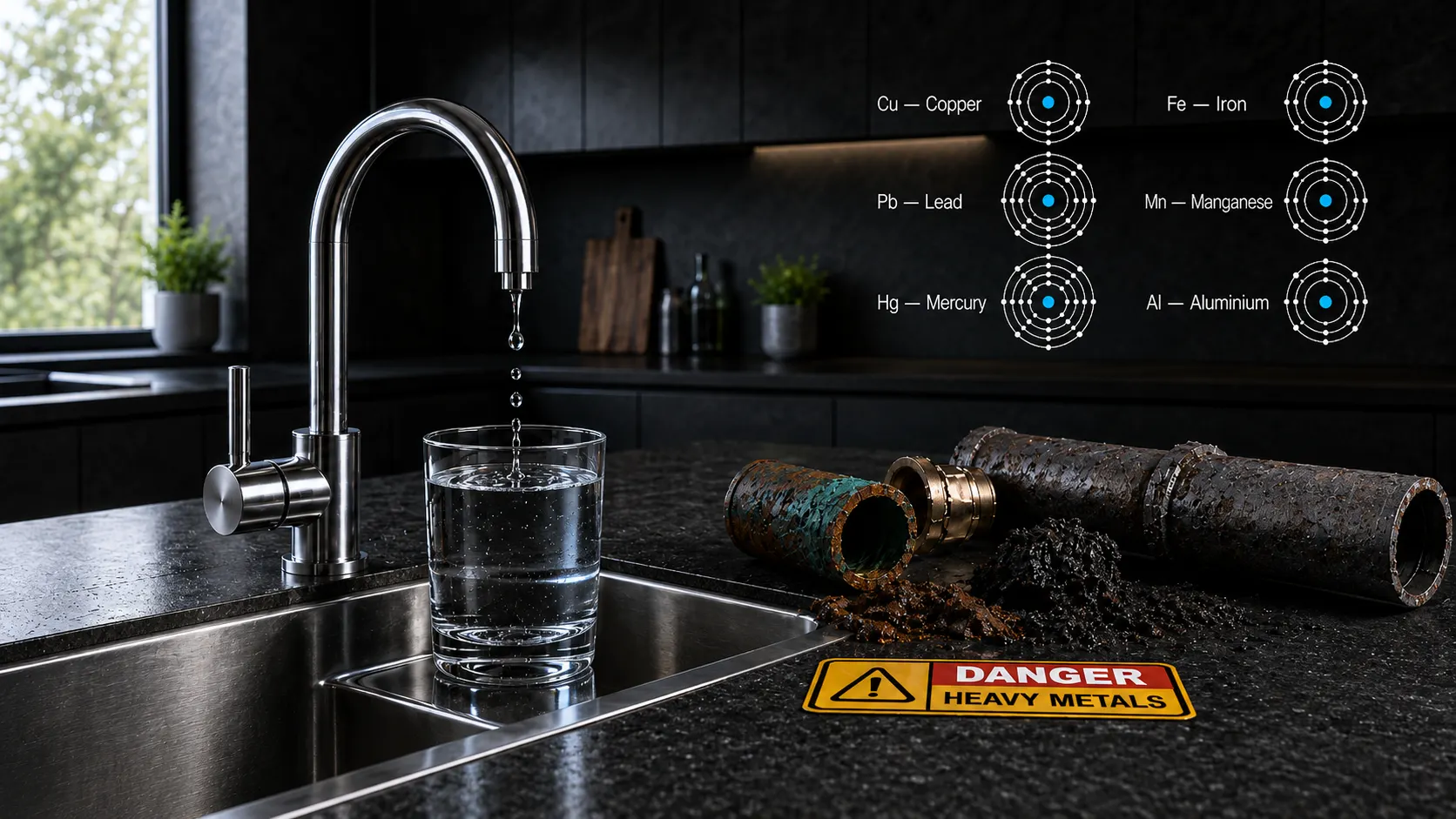
When people hear the word "metals" in drinking water, it's easy to assume they're all harmful. In reality, Australian drinking water can contain a range of naturally occurring & human-made metals, each with different properties, sources, & potential health impacts.
Metals including iron, copper, manganese, & aluminium, are commonly found in water supplies or plumbing & are generally considered safe at low concentrations. However, lead & mercury are toxic heavy metals with no known health benefit & are among the most closely monitored contaminants in drinking water.
How Do Metals End Up in Drinking Water?
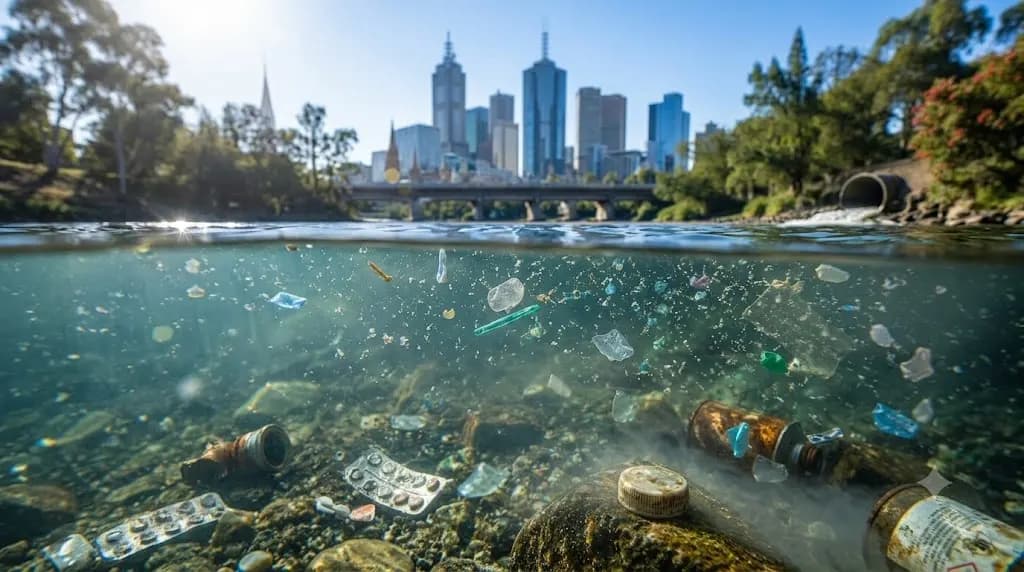
Metals & contaminants can enter drinking water through:
- Natural rock & soil deposits
- Groundwater & surface water
- Water treatment processes
- Corrosion of older plumbing & fittings
- Industrial & mining activities
- Agricultural runoff & pollution
Australian water utilities routinely monitor these substances to ensure they comply with the Australian Drinking Water Guidelines (ADWG).
Lead: The Heavy Metal of Greatest Concern
Lead is the heavy metal of greatest health concern in drinking water. It isn't added during treatment & is usually introduced by older pipes, brass fittings, or lead-based solder.
Long-term exposure has been linked to impaired brain development in children, learning difficulties, kidney damage, & cardiovascular disease. Because there is no known safe or beneficial level of lead exposure, Australian water authorities work to keep concentrations as low as possible.
Copper: Common, But Not Always Harmless
Copper commonly enters drinking water through household plumbing. While it is an essential nutrient, elevated levels can occur when water sits in copper pipes for extended periods. Higher concentrations may cause a metallic taste, blue-green staining around fixtures, & stomach irritation in some people.