The Contaminants You Haven't Heard Of Yet: What Water Experts Are Monitoring Now
From microplastics to PFAS, what scientists are finding in Australian waterways.

Hello Water Filtration
Water Quality Experts
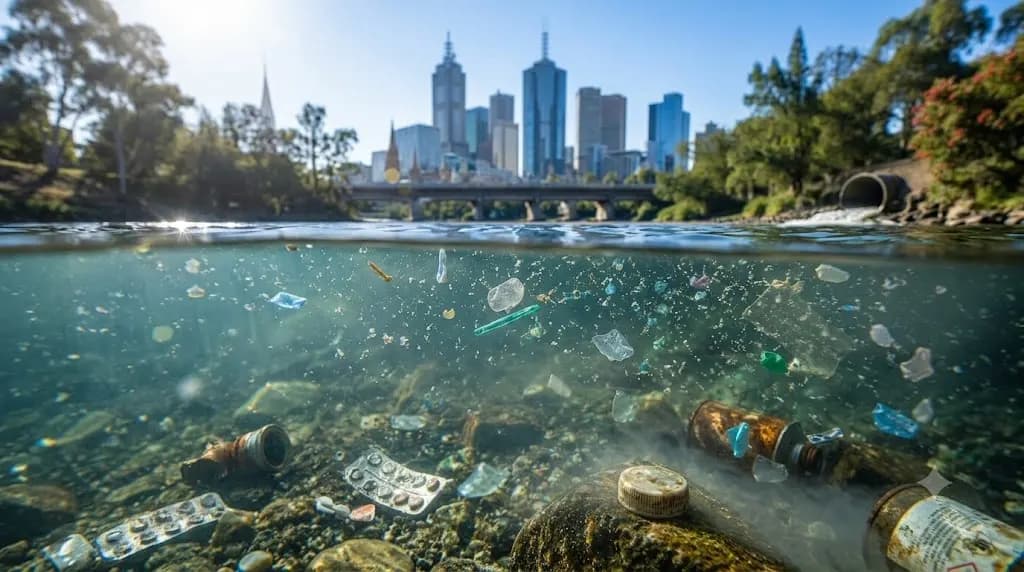
When most people think about water quality, they think about bacteria, chlorine, or heavy metals. But scientists are increasingly focused on a new group of substances known as emerging contaminants; including microplastics, PFAS ("forever chemicals"), pharmaceutical residues, & industrial chemicals.
As testing technology improves, these contaminants are being detected more often in waterways across Australia, raising new questions about their potential impacts on human health.
What's Being Found?
Earlier this year, ABC News reported that a New South Wales government study found microplastics in all 120 estuaries sampled across the state, with almost one in five rated as severely contaminated. Water expert Associate Professor Ian Wright described the findings as "very, very confronting", adding: "This is the tip of the iceberg … it is everywhere."
Why Are Experts Concerned?
Microplastics
Microplastics have been found in drinking water, food, human blood, lungs, & even placentas. While research is ongoing, scientists are investigating potential links to inflammation, hormone disruption, oxidative stress, & other severe health effects.
PFAS
PFAS are among the most studied emerging contaminants. Long-term exposure to elevated levels has been associated with:
- Increased cholesterol
- Liver function changes
- Reduced immune response
- Thyroid effects
- Developmental impacts in children
- Increased risk of some cancers
Pharmaceutical Residues & Industrial Chemicals
Researchers are also examining whether long-term exposure to trace pharmaceutical residues & industrial chemicals could affect human health & aquatic ecosystems. While many questions remain unanswered, monitoring programs are expanding as scientists work to better understand potential risks.
What Does This Mean For Australians?
As science evolves, so do Australia's drinking-water guidelines. In 2025, the National Health & Medical Research Council updated guideline values for several PFAS compounds, including PFOS, PFOA, PFHxS, & PFBS. The review also examined newer PFAS compounds, reflecting the growing focus on substances that were previously not included in drinking-water guidance. Researchers are also monitoring pharmaceutical residues & industrial chemicals that can enter waterways through wastewater, stormwater runoff, manufacturing processes, & everyday household activities.
For many Australians, the biggest takeaway is that water quality isn't just about what we already know; it's also about what we're still learning. As scientists uncover more about emerging contaminants such as microplastics, pharmaceutical residues, industrial chemicals, & newer PFAS compounds, regulators are adapting guidelines & expanding monitoring programs to keep pace with the latest research. It's a reminder that protecting water quality is an ongoing process, not a one-time achievement, reflecting growing knowledge about their potential health impacts.
"At Hello Water Filtration, we're passionate about helping Australians stay informed about the factors that influence the water they use every day."