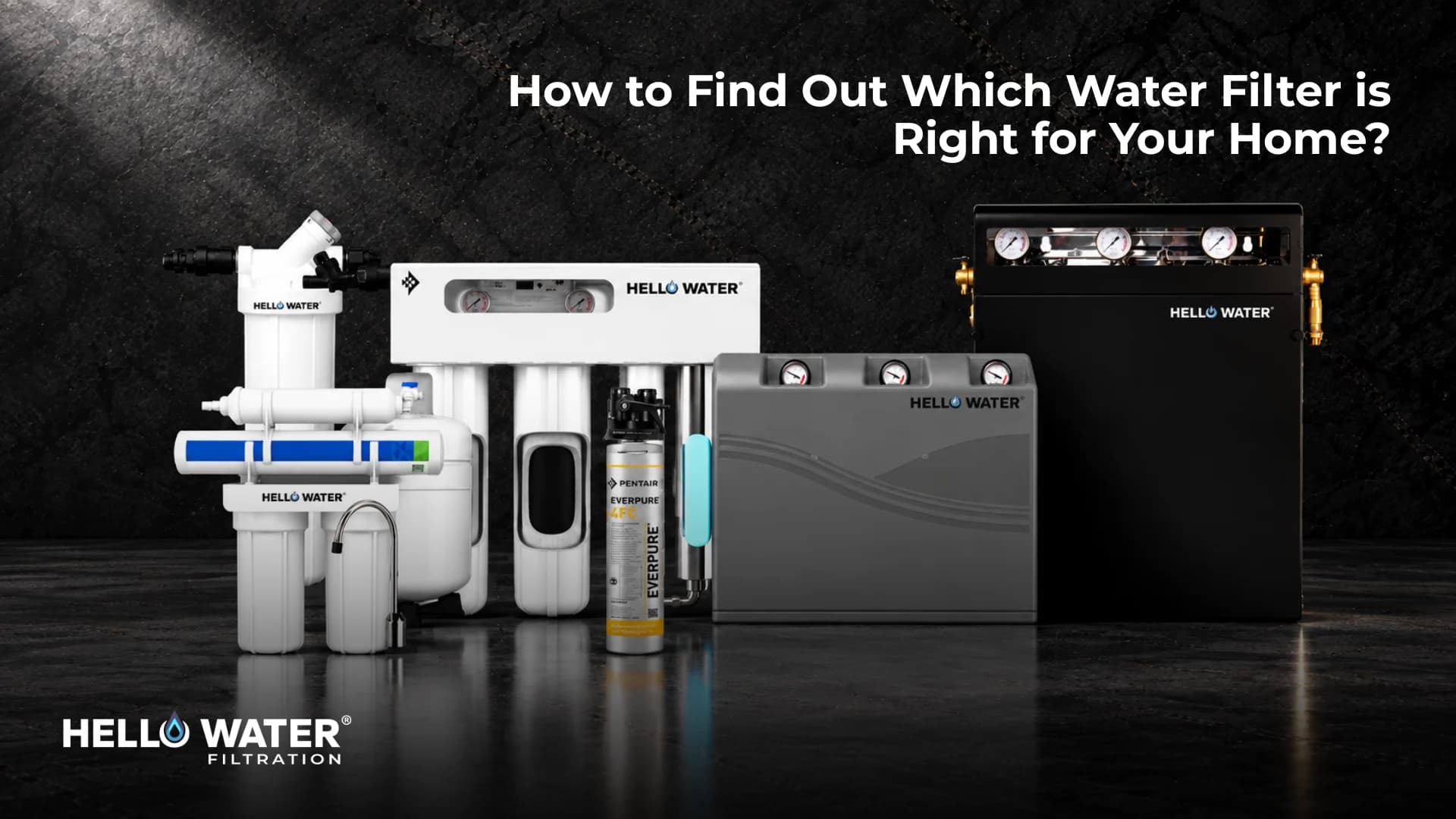
How to Find Out Which Water Filter Is Right for Your Home?
A complete guide to water filter jugs, tap filters, under-sink, reverse osmosis, UV, and whole-home systems.

Hello Water Filtration
Water Quality Experts
Choosing a water filtration system can feel overwhelming. With so many options available, it's not always easy to know which one is right for your home.
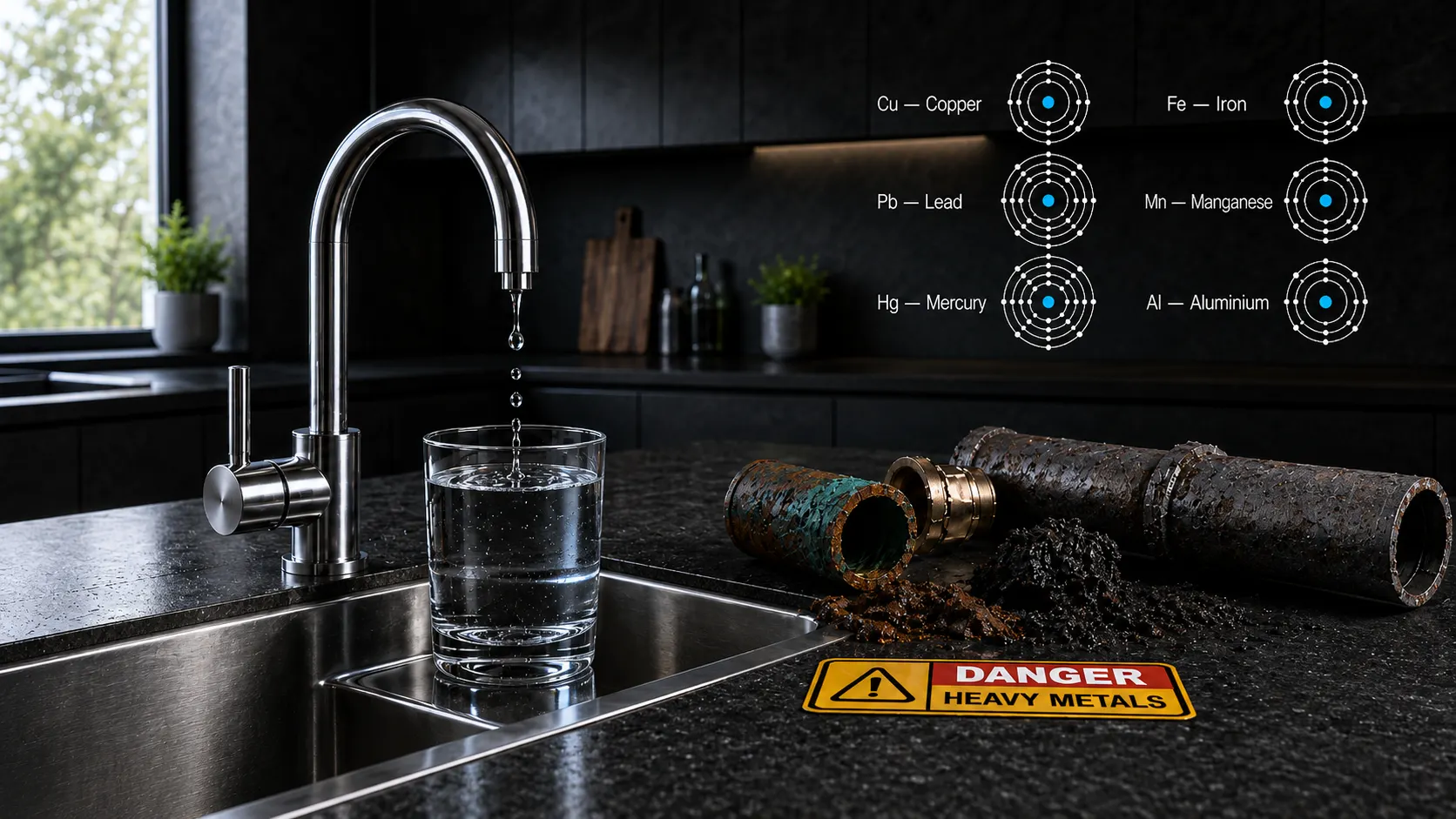
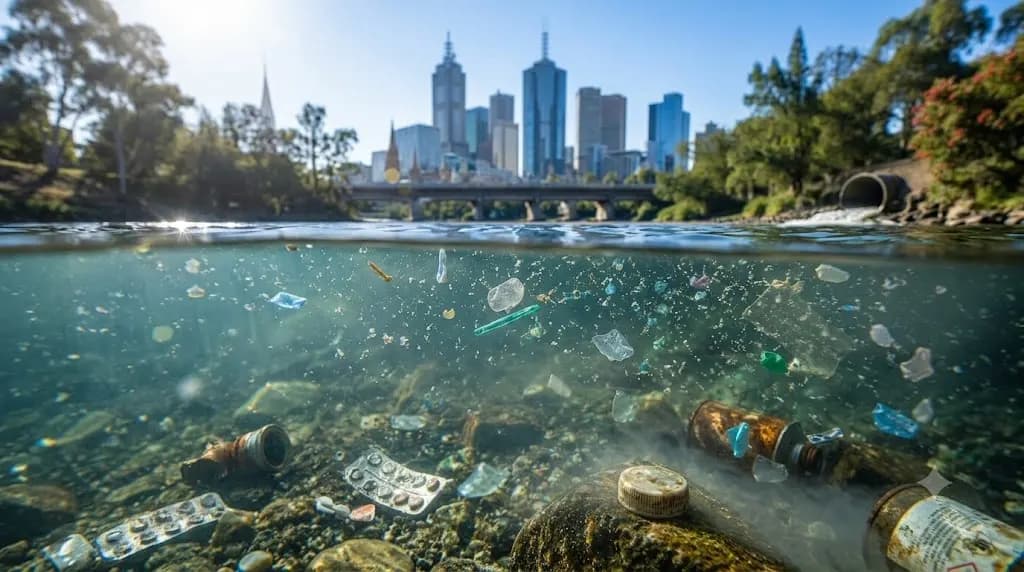
The best system depends on what you want to remove, where your water comes from, & how you use it. Some filters simply improve taste & odour, while others are designed to reduce chlorine, PFAS, heavy metals, sediment, pesticides, microplastics, & other unwanted contaminants.
It's also important to consider your water source. Homes connected to mains water, rainwater tanks, bore water, or other private supplies all have different filtration needs. Your lifestyle also plays a role — whether you own your home, rent, or travel in a caravan or motorhome can influence which system is the best fit.
This guide explains the most common residential water filtration systems available in Australia, along with their advantages, limitations, & what to look for before buying.
1. Water Filter Jugs
Water filter jugs are one of the most affordable & popular ways to improve drinking water. They require no plumbing, making them ideal for renters, students, caravans, motorhomes, holiday homes, or anyone wanting a simple solution. Most jugs use an activated carbon cartridge to improve the taste & smell of tap water by reducing chlorine & some organic compounds.
- Pros: Affordable, no installation required, portable, improves taste & odour.
- Cons: Slow filtration, small storage capacity, only filters drinking water, cartridges require frequent replacement.
- Buying Tip: Choose a BPA-free jug with an activated coconut shell carbon cartridge for better performance.
2. Tap-Mounted Water Filters
Tap-mounted filters attach directly to your kitchen tap, providing filtered water whenever you need it. They are inexpensive, easy to install, & a popular option for renters who can't modify plumbing. Most tap filters reduce chlorine, improve taste & odour, & remove some sediment, but their filtration capacity is lower than under-sink or whole-home systems.
- Pros: Inexpensive, easy installation, compact design, no plumbing modifications needed.
- Cons: Only filters one tap, lower flow rate, limited cartridge life.
- Buying Tip: Before purchasing, check that your tap thread is compatible with the filter.
3. Under-Sink Water Filters
Under-sink filtration systems are installed beneath the kitchen sink, providing filtered water through either a dedicated drinking water tap or your existing mixer tap. They offer significantly greater filtration capacity than jug or tap-mounted filters & are ideal for households wanting high-quality drinking water without taking up bench space.
Depending on the filter media and certifications, under-sink systems can help reduce chlorine, sediment, heavy metals, PFAS, VOCs, microplastics, and unpleasant taste & odour.
- Pros: Hidden installation, higher capacity, longer cartridge life, excellent drinking water quality.
- Cons: Only filters kitchen drinking tap, professional installation usually recommended.
- Buying Tip: Choose a system that is WaterMark certified for use with Australian plumbing.
4. Reverse Osmosis (RO) Systems
Reverse osmosis (RO) systems use an ultra-fine membrane to remove an exceptionally wide range of dissolved contaminants, including fluoride, nitrates, PFAS, heavy metals, dissolved salts, and microplastics. They are considered one of the most effective drinking water filtration methods available.
- Pros: Exceptional contaminant reduction, produces pure high-quality drinking water.
- Cons: Slower filtration speed, produces reject water, removes beneficial minerals (calcium & magnesium).
- Buying Tip: Always choose a WaterMark-certified system & have it installed by a licensed plumber.
5. UV Water Purification Systems
Ultraviolet (UV) water purification systems don't actually filter water — they disinfect it. Instead of removing chemicals or particles, UV light destroys bacteria, viruses, & other microorganisms by preventing them from reproducing. They are most commonly used on rainwater tanks, bore water, & untreated private supplies.
- Pros: Highly effective against bacteria & viruses, chemical-free disinfection.
- Cons: Doesn't remove chemicals, heavy metals, or sediment (requires sediment pre-filters), needs electricity.
- Buying Tip: Recommended primarily for rainwater, bore water, & private water supplies.
6. Whole Home Water Filtration Systems
Whole-home water filtration systems are installed where water enters your property, treating the water before it's distributed throughout the home. Unlike under-sink or RO systems that only treat drinking water, whole-home systems supply filtered water to every tap, shower, bath, washing machine, dishwasher, & outdoor tap.
Depending on the filtration media used, whole-home systems reduce sediment, chlorine, chloramines, PFAS, heavy metals, pesticides, herbicides, VOCs, microplastics, & unwanted taste & odour, while protecting your home's plumbing and appliances from sediment build-up.
- Pros: Filters every tap throughout the home, high flow rates, protects plumbing & appliances, low ongoing maintenance.
- Cons: Higher upfront cost, requires professional installation.
- Buying Tip: Ensure the system is WaterMark certified and check the licence in the ABCB database.
Which Water Filtration System Is Best?
- Improve drinking water taste & odour -> Water filter jug or tap-mounted filter
- Filter drinking water at kitchen sink -> Under-sink filtration system
- Maximum removal of dissolved contaminants -> Reverse osmosis system
- Treat rainwater or bore water -> Pre-filtration + UV purification
- Filter every tap throughout the home -> Whole-home filtration system
Before You Buy Any Water Filter
Before investing in a water filtration system, ask yourself: What contaminants am I trying to reduce? Do I want to filter just drinking water or the entire house? Is my home connected to mains, rainwater, or bore water? How much maintenance am I prepared to do? And is the system WaterMark certified?
Cleaner Water Starts at Home
"At Hello Water Filtration, we believe cleaner water can start at every tap — whether you're filling a glass, taking a shower, cooking dinner, or protecting your appliances."
We have solutions for most residential water needs, from compact under-sink systems to advanced whole-home filtration. Our team can help you choose a system that matches your water quality goals, household size, & budget.