Water News
Insights, news, and expert guides from Hello Water Filtration to help you stay informed about what's in your water and how to protect your household.
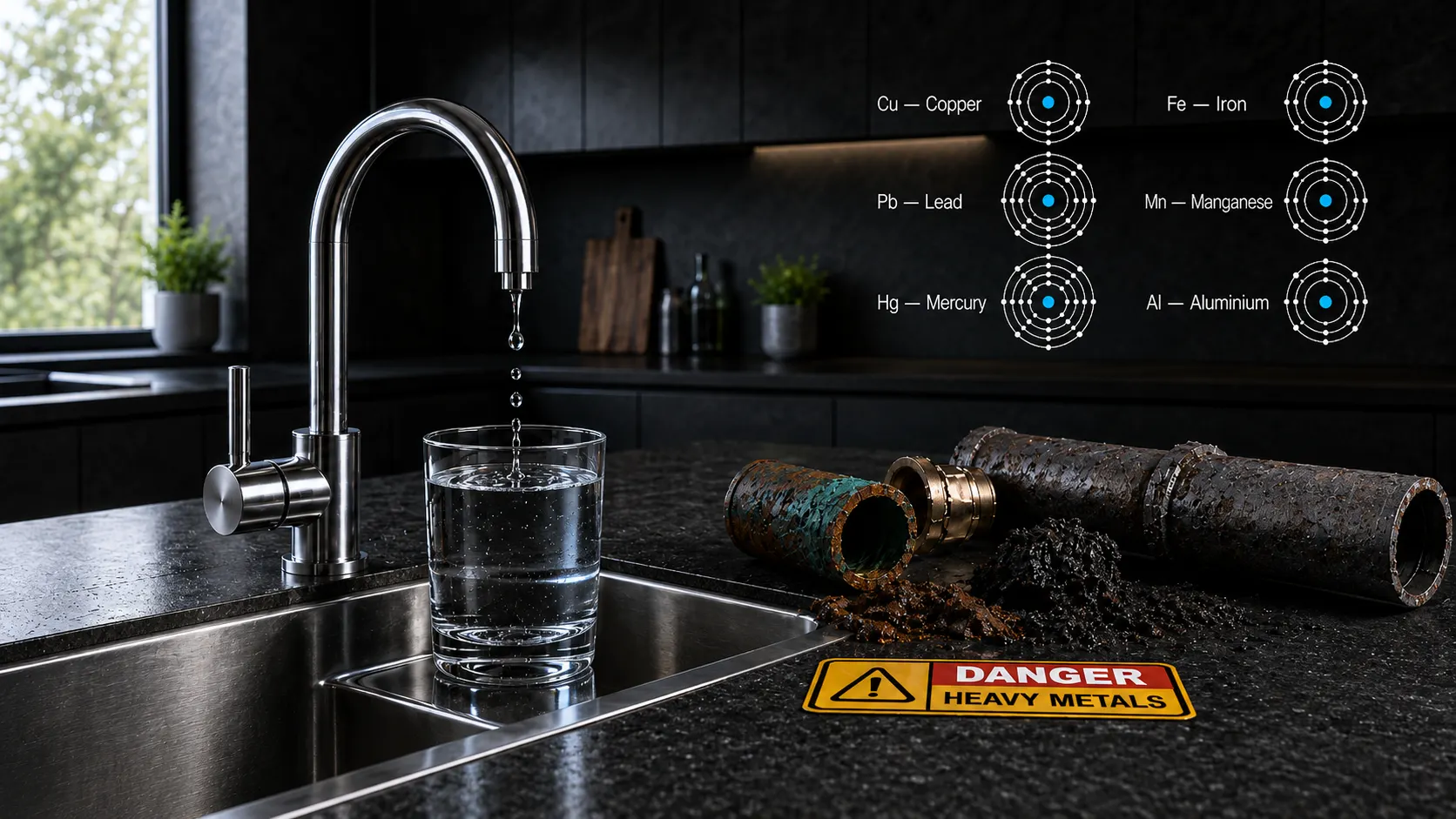
Heavy Metals in Australian Drinking Water: What’s Really in Your Tap & What It Means for Your Health
Australian drinking water can contain a range of naturally occurring & human-made metals, from beneficial trace minerals to toxic contaminants. Discover how metals enter our water supply and how they affect your health.
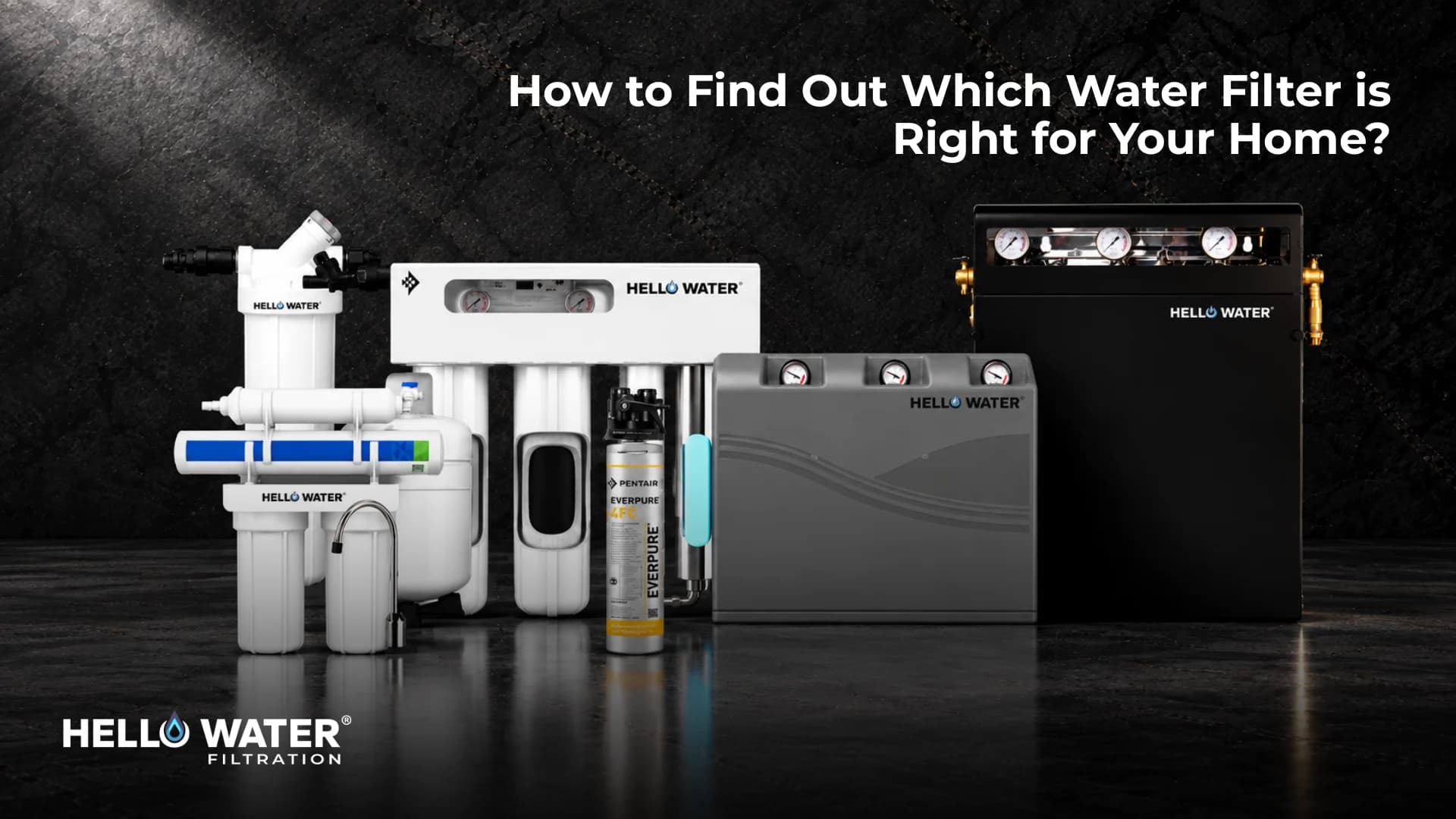
How to Find Out Which Water Filter Is Right for Your Home?
Choosing a water filtration system can feel overwhelming. Learn about the 6 main types of residential water filter systems in Australia, their pros and cons, and how to choose the right one for your water source and lifestyle.
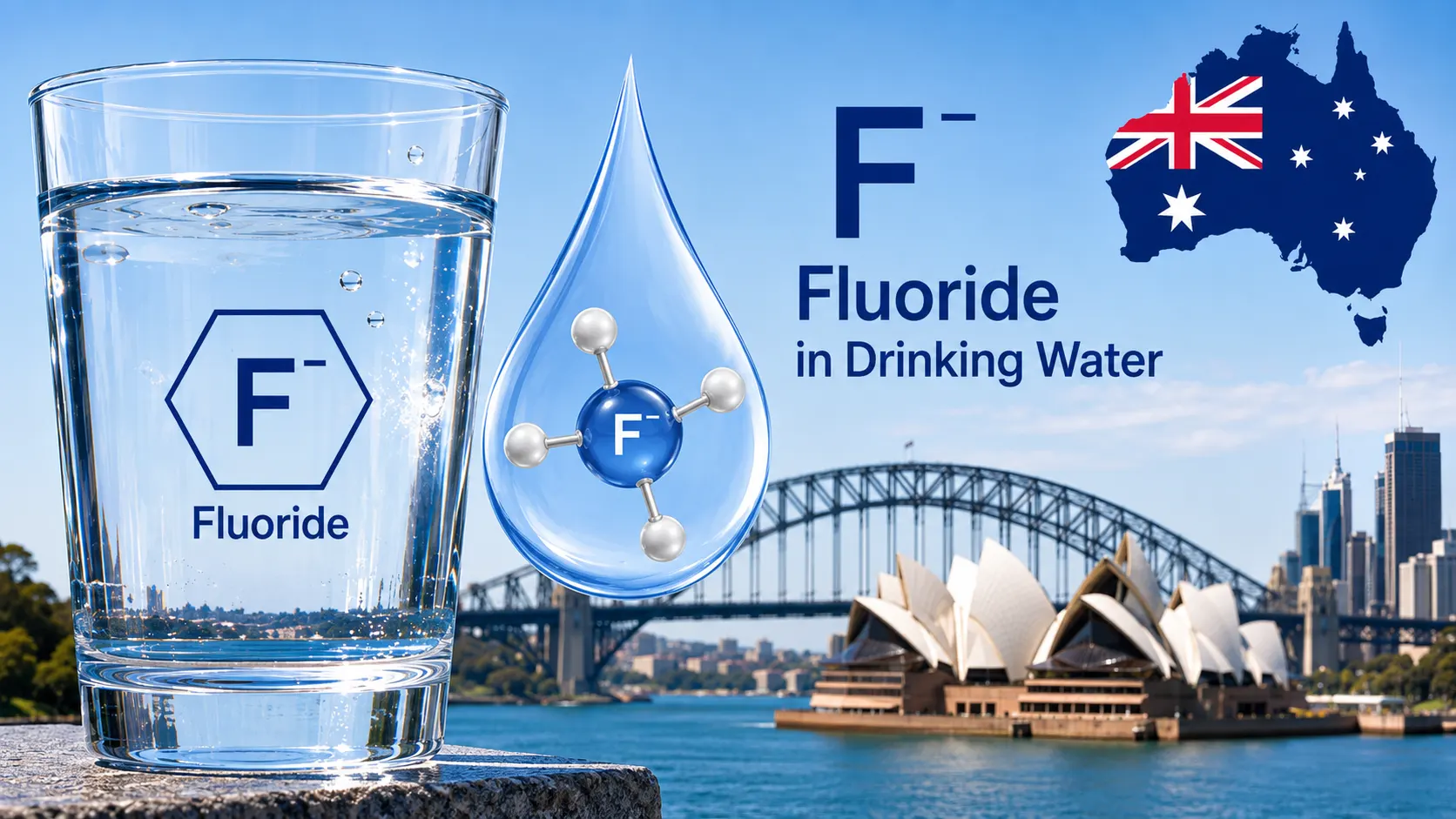
Fluoride in Australian Drinking Water: Why Some Australians Choose to Filter It
Fluoride is added to public water supplies to help prevent tooth decay, but it remains a debated topic. Learn why fluoride is added, why some Australians choose to filter it, and which filtration technologies can remove it.
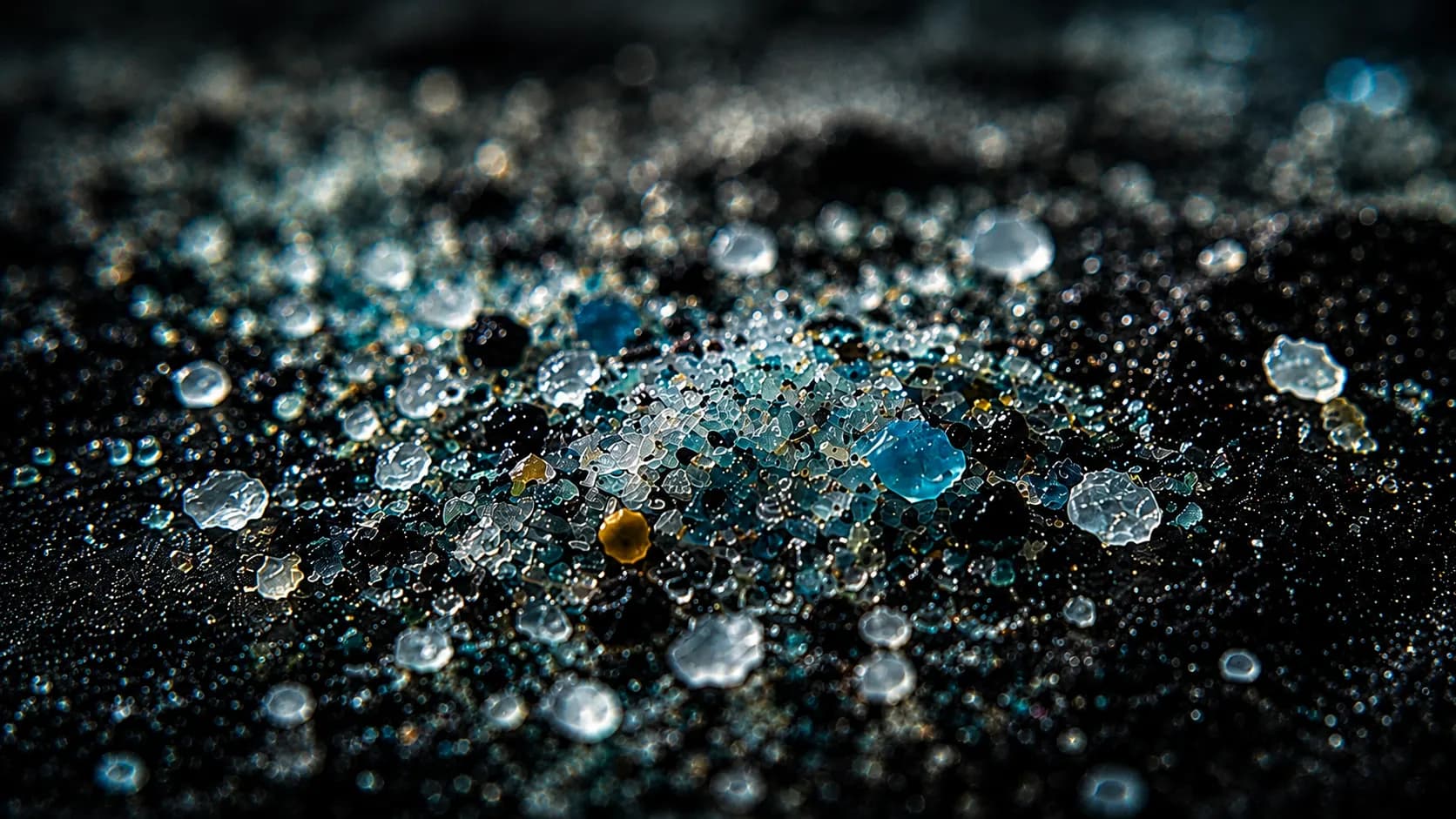
Microplastics are Everywhere… Including Your Drinking Water. Should Australians be Concerned?
Microplastics have become one of the fastest-growing environmental concerns. Learn what microplastics are, how they enter our water supply, and if you should be concerned about their health impacts.
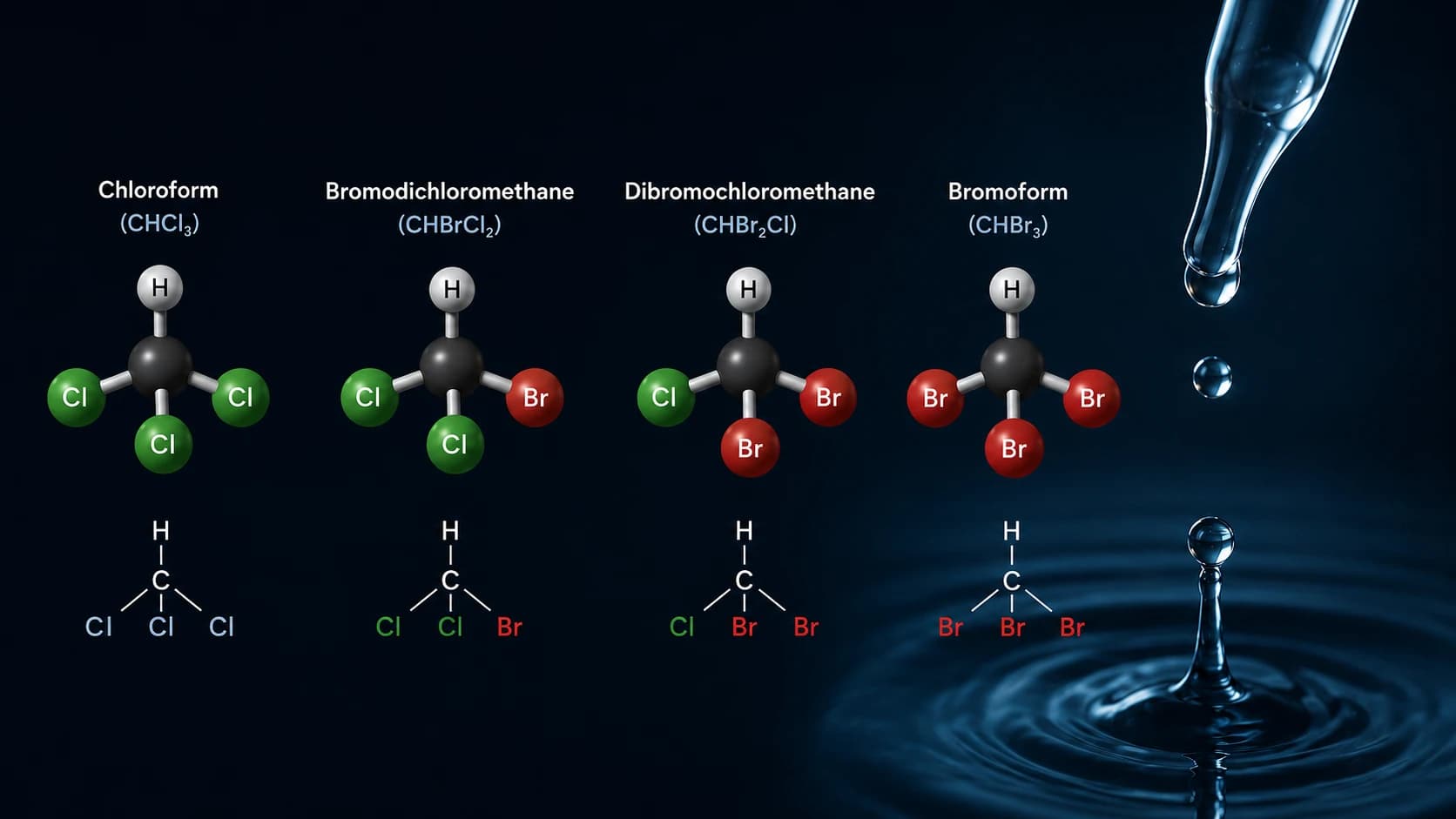
THMs in Drinking Water: What They Are & Why They Matter
THMs (trihalomethanes) are chemical by-products that form when chlorine reacts with natural organic matter in water. Learn what THMs are, why they are monitored, and how you can reduce them in your home.
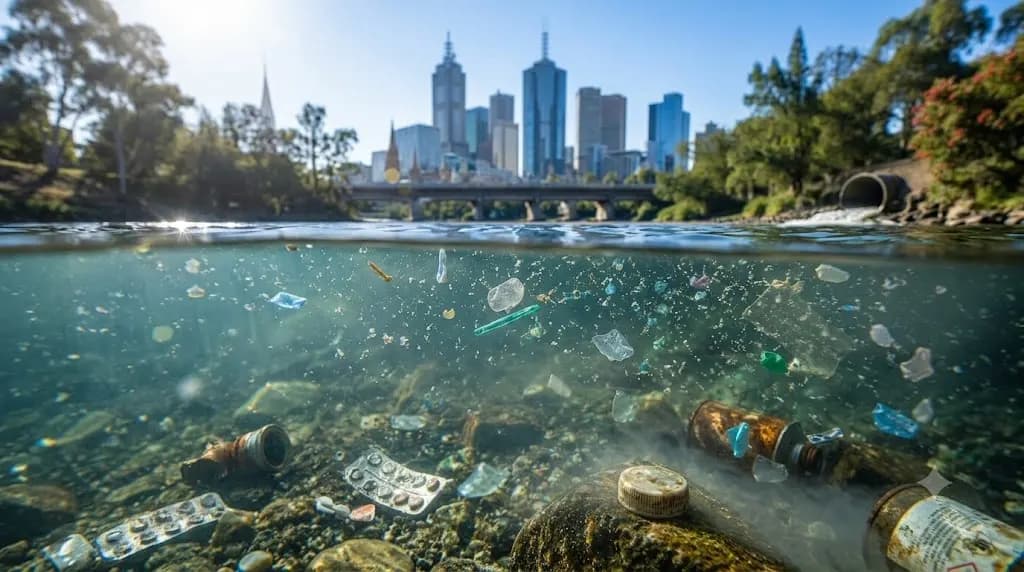
The Contaminants You Haven't Heard Of Yet: What Water Experts Are Monitoring Now
Scientists are increasingly focused on emerging contaminants like microplastics, PFAS, pharmaceutical residues, and industrial chemicals. Learn what's being found in Australian waterways and what it means for your health.
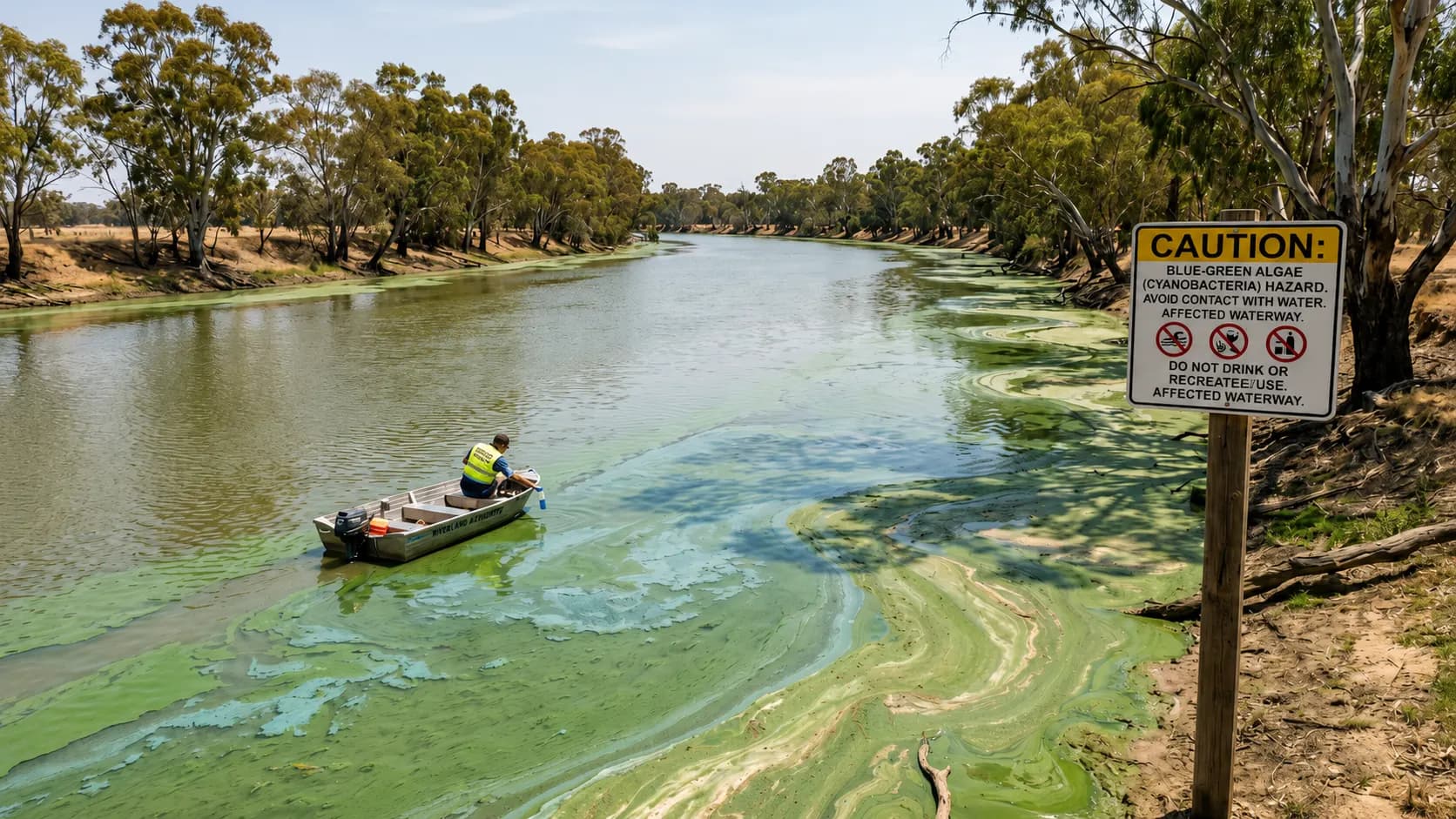
The Toxic Algal Bloom Threat Growing In Australian Waters
Scientists warn environmental conditions are creating the perfect environment for more frequent outbreaks. Discover the impact on drinking water and local ecosystems.
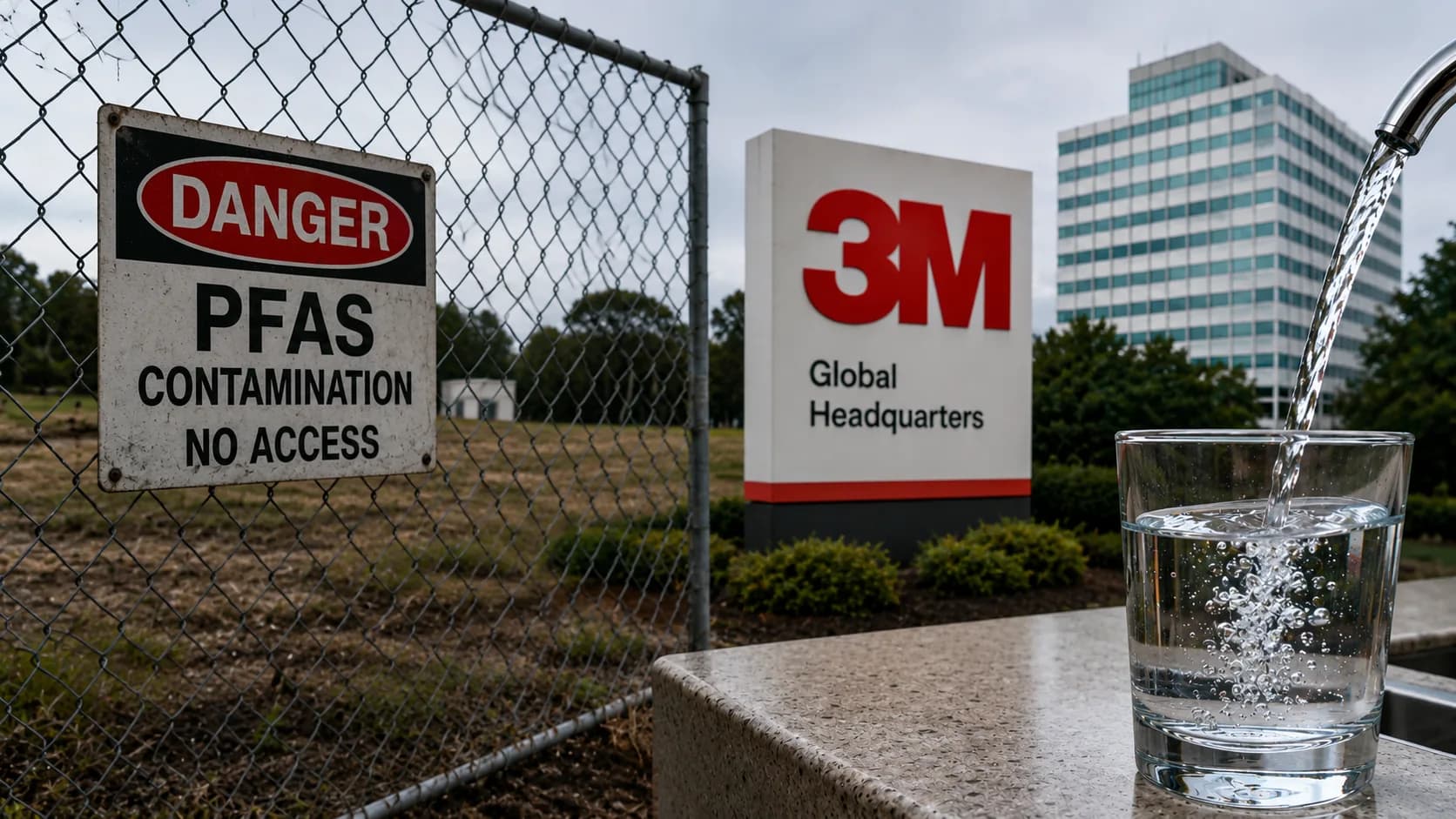
Australia’s $2 Billion PFAS Lawsuit: Why Aussies Are Suddenly Questioning Their Water
The Australian Government has launched a major legal case against global manufacturing giant 3M over PFAS contamination. Learn what PFAS is, why it matters, and what you can do.