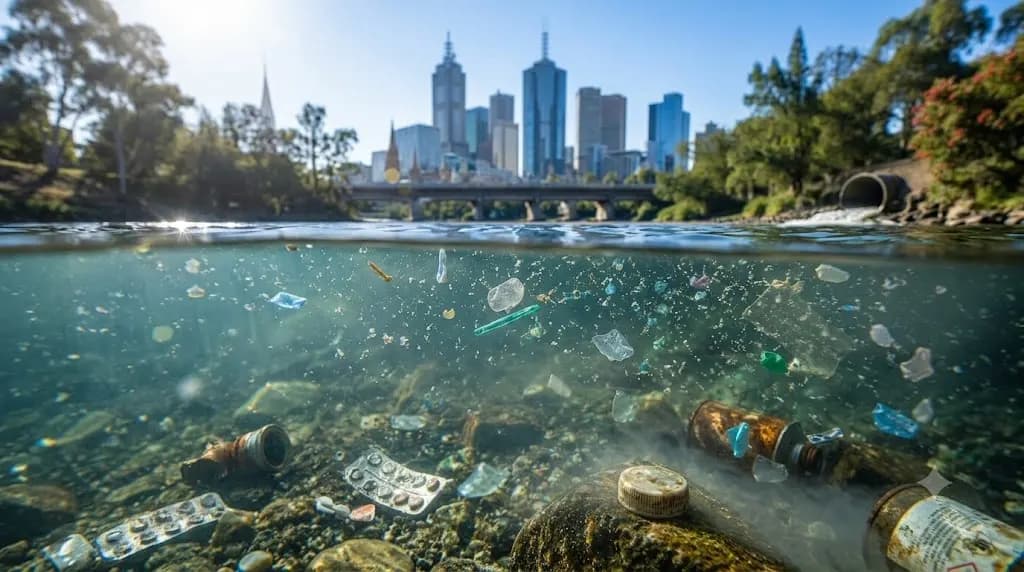
Microplastics are Everywhere… Including Your Drinking Water. Should Australians be Concerned?
They've been found in our oceans, rivers, food, bottled water, & even the air we breathe.

Hello Water Filtration
Water Quality Experts
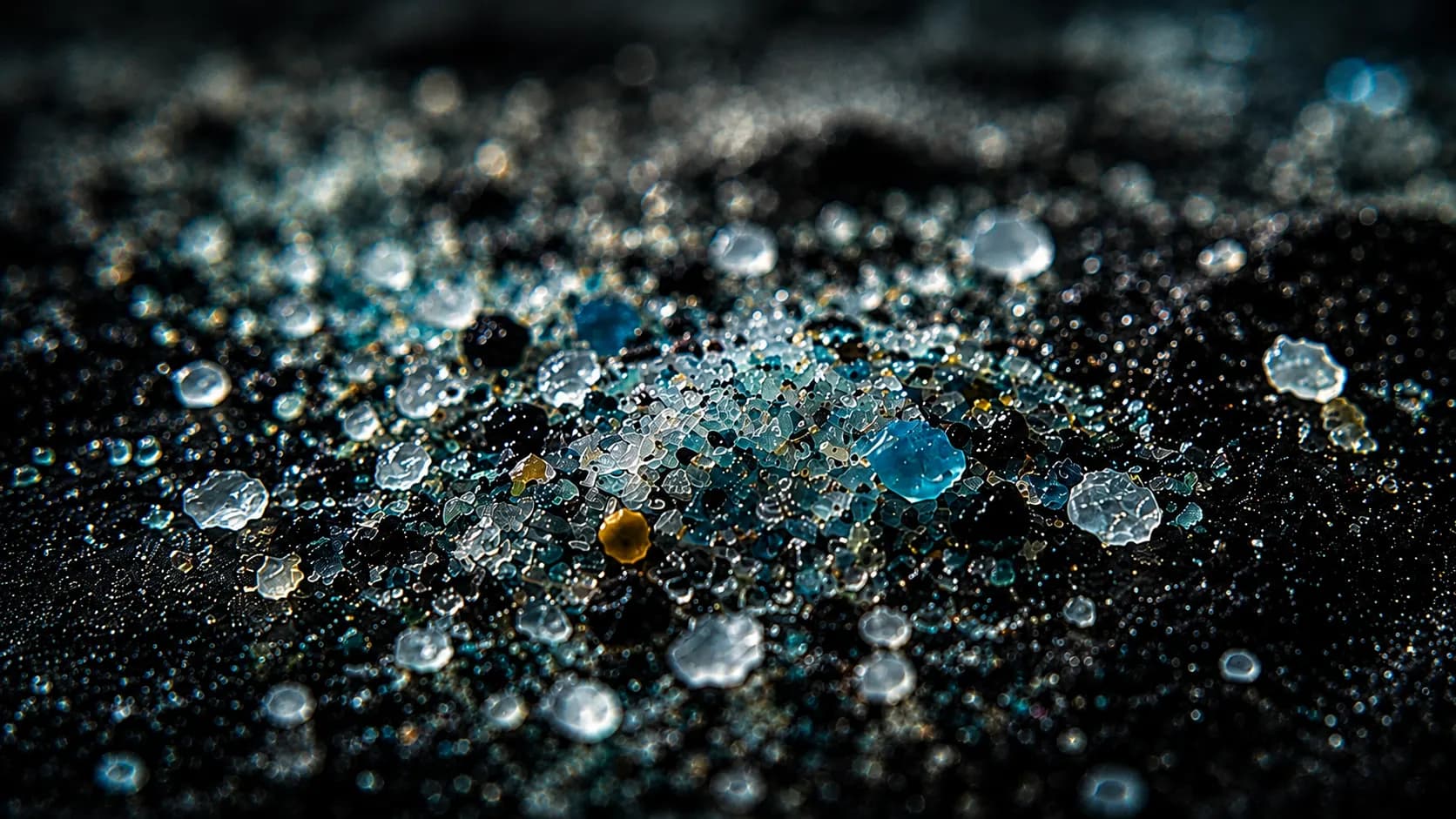
Microplastics have become one of the fastest-growing environmental concerns in the world. They've been found in our oceans, rivers, food, bottled water, & even the air we breathe. In recent years, researchers have also detected them in human blood, lungs, & placentas, highlighting just how widespread these tiny plastic particles have become.
So, what about Australian drinking water?
While Australia has some of the highest drinking water standards in the world, studies have shown that microplastics can still find their way into treated water supplies. The good news is that research into their health impacts is still ongoing. As awareness grows, many Australians are choosing to reduce unnecessary exposure wherever they can.
What are Microplastics?
Microplastics are tiny plastic particles measuring as little as 1 micrometer (µm) in size. They form when larger plastic products gradually break down over time or are intentionally manufactured for use in certain industrial processes & consumer products.
Common sources include:
- Plastic packaging
- Synthetic clothing fibers
- Vehicle tyre wear
- Food containers
- Personal care products
- Plastic waste breaking down in the environment
Because they're so small, these particles can travel through rivers, reservoirs, groundwater, & eventually enter drinking water supplies.
The Australian Broadcasting Corporation (ABC) has reported on the growing prevalence of microplastics, noting they've been found in drinking water, seafood, table salt, household dust, & many everyday products. While Australian tap water continues to meet strict safety standards, researchers are continuing to investigate the potential long-term effects of ongoing exposure.
Should You be Concerned?
Research confirms that people are exposed to microplastics every day, but understanding what that means for our long-term health is still an active area of study.
Researchers are investigating possible links between microplastic exposure & inflammation, oxidative stress, hormonal disruption, cardiovascular health, & immune system responses.
They have also detected microplastics in human blood. Laboratory research suggests some microplastics may affect the shape or function of red blood cells, which are responsible for carrying oxygen throughout the body.
This doesn't mean Australians should be alarmed. Instead, it highlights the increasing presence of plastic pollution in our environment & why many people are taking a precautionary approach to reducing unnecessary exposure.
Can Water Filters Help Reduce Microplastics?
Not all water filters are created equal. Basic jug filters are primarily designed to improve taste & reduce chlorine, but they're generally not engineered to capture microscopic plastic particles.
More advanced filtration technologies—including ultrafiltration, nanofiltration, reverse osmosis, & high-performance sediment filtration—can help reduce microplastics, depending on the filter's design, pore size, installation, & ongoing maintenance.
A professionally installed whole-house filtration system offers a huge advantage by treating water as it enters your home, helping improve the quality of the water used for drinking, cooking, showering, washing fresh produce, & everyday household activities.
The Bottom Line
Microplastics are becoming an unavoidable part of modern life. While Australian drinking water remains among the safest in the world, growing research into emerging contaminants is encouraging many Australians to take a closer look at the quality of the water they use every day.
Understanding what's in your water is the first step. Choosing the right filtration system is the next.
"At Hello Water Filtration, we believe every Australian deserves cleaner, better-quality water throughout their entire home."
Our whole-house filtration systems are designed to reduce a wide range of unwanted contaminants including microplastics, helping provide greater confidence in the water you drink, cook with, shower in, & use every day.